Archives
- 2026-09
- 2026-08
- 2026-07
- 2026-06
- 2026-05
- 2026-04
- 2026-03
- 2026-02
- 2026-01
- 2025-12
- 2025-11
- 2025-10
- 2025-09
- 2025-03
- 2025-02
- 2025-01
- 2024-12
- 2024-11
- 2024-10
- 2024-09
- 2024-08
- 2024-07
- 2024-06
- 2024-05
- 2024-04
- 2024-03
- 2024-02
- 2024-01
- 2023-12
- 2023-11
- 2023-10
- 2023-09
- 2023-08
- 2023-07
- 2023-06
- 2023-05
- 2023-04
- 2023-03
- 2023-02
- 2023-01
- 2022-12
- 2022-11
- 2022-10
- 2022-09
- 2022-08
- 2022-07
- 2022-06
- 2022-05
- 2022-04
- 2022-03
- 2022-02
- 2022-01
-
Because activation of HT A
2024-08-27
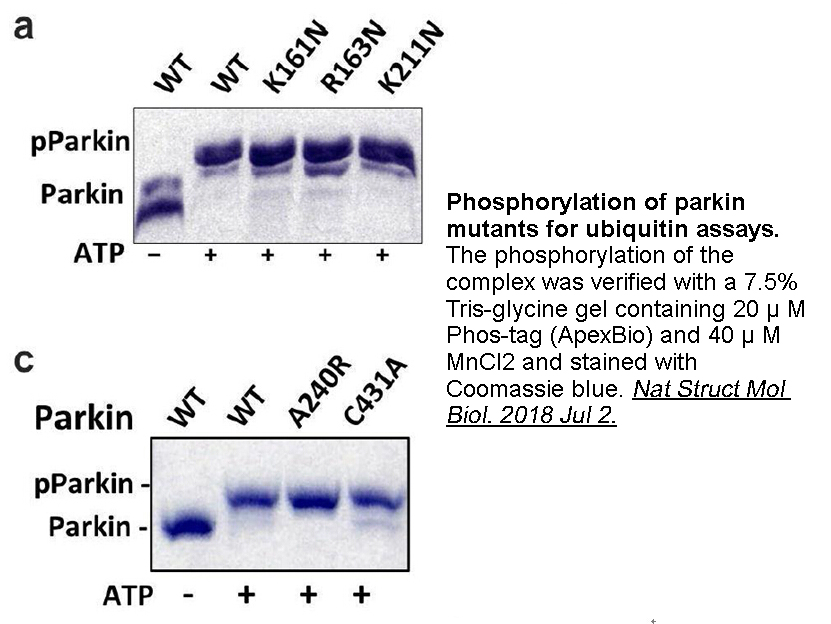
Because activation of 5-HT2A receptor is capable of facilitating dopamine cell activity and dopamine release (Bortolozzi et al., 2003), and this action of dopamine is known to mediate rat maternal behavior, especially maternal motivation (Afonso et al., 2007, Febo et al., 2010, Li and Fleming, 2003,
-
These results must also be addressed in light
2024-08-27
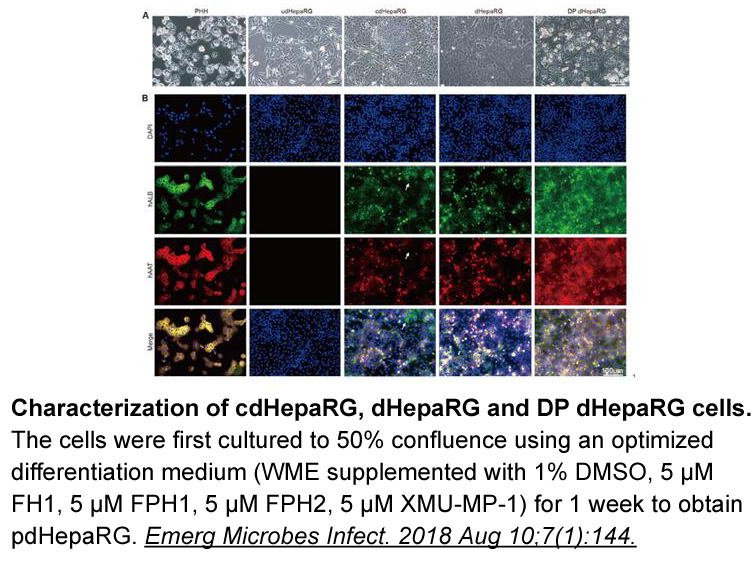
These results must also be addressed in light of porcine AMPKγ3R200Q (RN−) mutation. Pigs harboring this mutation produce meat with an abnormally low ultimate pH (pH6258 sale meat (Copenhafer et al., 2006, Lundström et al., 1998, Milan et al., 2000). This extremely low pH is very close to the isoel
-
TCEP Congruously our findings of voltage electrode clamping
2024-08-27
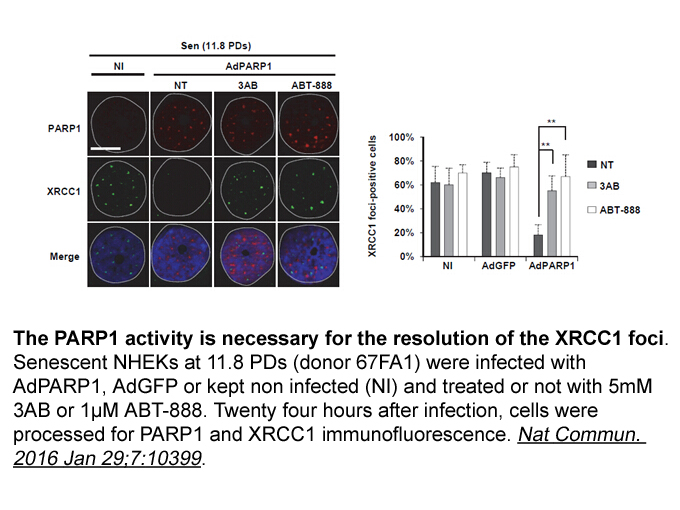
Congruously, our findings of voltage-electrode-clamping assays indicate that hipN851K mutation mediates partial loss of Na+/K+-ATPase pump currents, also confirming our thesis that hipN851K mutation acts as a hypomorph. As demonstrated here by our external electrical stimulation studies and ECG reco
-
Our outcrossing data confirmed that ACL and
2024-08-27
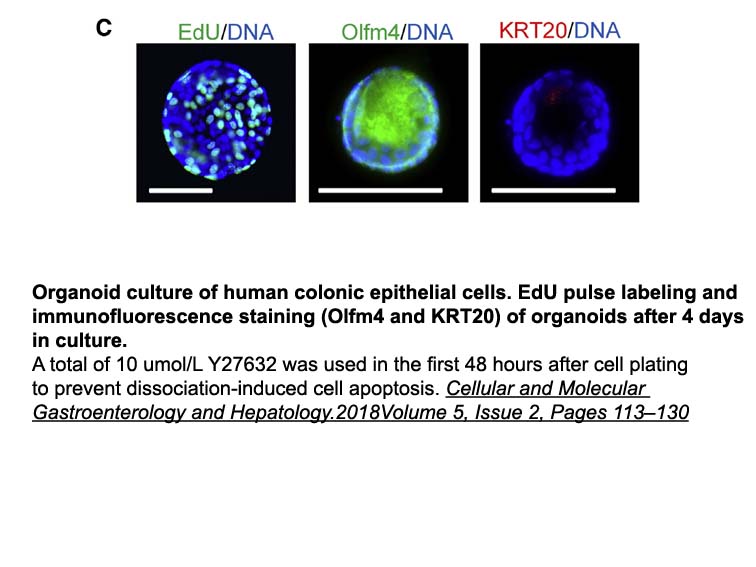
Our outcrossing data confirmed that ACL1 and ACL2 have important temporal and spatial functions in ascospore delimitation in G. zeae. When each ACL deletion mutant was used as male for outcrossing, nuclear division and spore delimitation were not properly progressed in most asci. Ascospores that con
-
shows the complexes resulting from interaction of the propos
2024-08-27

shows the complexes resulting from interaction of the proposed anion receptors with the anions F, Cl, NO, and SO. No imaginary frequency was observed for the optimized complexes indicating the complexes are in potential minima and they are not transition state structures. summarizes the calculated
-
dan shen br Acknowledgements M M M is
2024-08-27
Acknowledgements M.M.M. is the William Dow Lovett Professor of Neurology and is supported by grants from the Michael J. Fox Foundation for Parkinson's Research, the American Parkinson Disease Association, the New Jersey Health Foundation/Nicholson Foundation, and by the National Institutes of Hea
-
br Material and methods br
2024-08-27

Material and methods Results Discussion This study explores the hypothesis that ASK1, via transcriptional upregulation by E2F1, molecularly defines AT that supports a dys-metabolic obese phenotype in humans. We demonstrate associations between increased visceral-AT ASK1 expression and multi
-
Formation of SAHFs in human
2024-08-26
Formation of SAHFs in human Boc-D-FMK is a dynamic and multifaceted process that is largely dependent on the p16/pRB ras-induced senescence pathway [108]. Many details remain to be elucidated but formation appears to be driven by a complex of histone chaperones (HIRA and ASF1a), a pRB/hBrm/HDAC1/HP
-
br Identification of the croaker mAR cDNA Testosterone T
2024-08-26
Identification of the croaker mAR cDNA Testosterone (T) was observed to alter steroidogenesis through a nongenomic mechanism (not blocked by the transcription inhibitor, actinomycin D) in Atlantic croaker ovarian tissues (Braun and Thomas, 2003). This action of T was mimicked by T conjugated to B
-
The G R mutation is located at
2024-08-26
The G1202R mutation is located at the solvent front of the ALK kinase domain adjacent to the inhibitor's binding pocket. Although barely reported in the setting of crizotinib resistance, it has emerged as the most refractory mutation to both the first- and second-generation ALK inhibitors. The large
-
Ambient levels of ppm ozone were recorded during a
2024-08-26
Ambient levels of 0.2ppm ozone were recorded during a recent 2017 weather event in Texas, United States (EPA, 2007). This concentration or higher levels have been used in several human clinical studies during intermittent exercise (Miller et al., 2016c). Although ozone concentration of 0.8ppm used i
-
Lipotoxicity is the accumulation of
2024-08-26
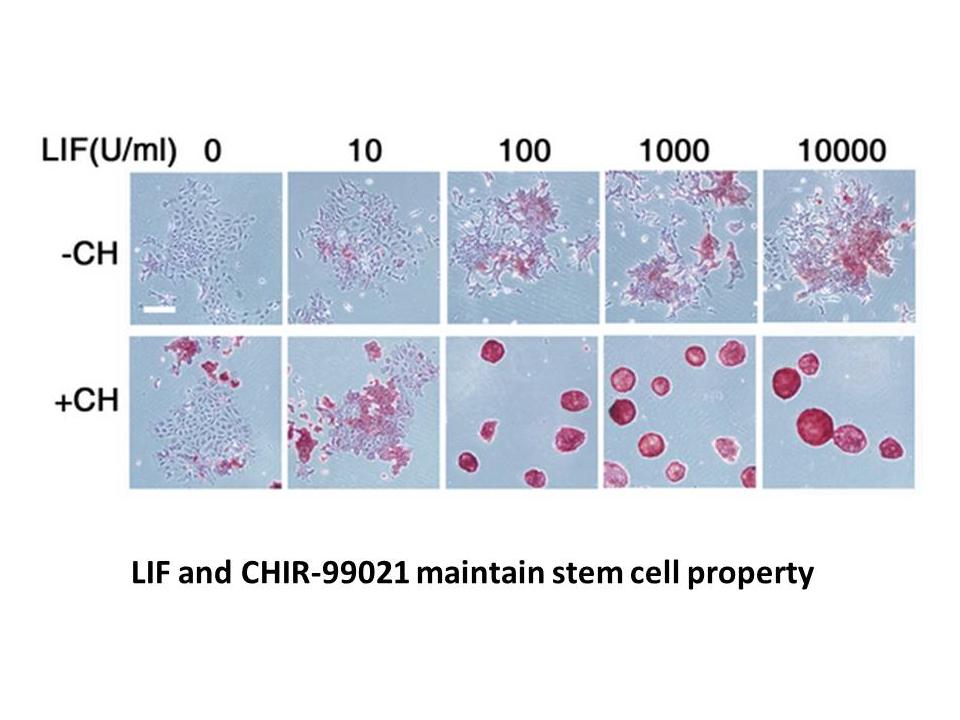
Lipotoxicity is the accumulation of excess lipids in non-adipose tissues that leads to cell dysfunction or cell death. It may play an important role in the pathogenesis of diabetes, and contributes to the rate of progression of CKD [7,8]. Emerging evidence indicates that renal lipid dysregulation is
-
Patients with ADA SCID may experience autoimmune AEs
2024-08-26
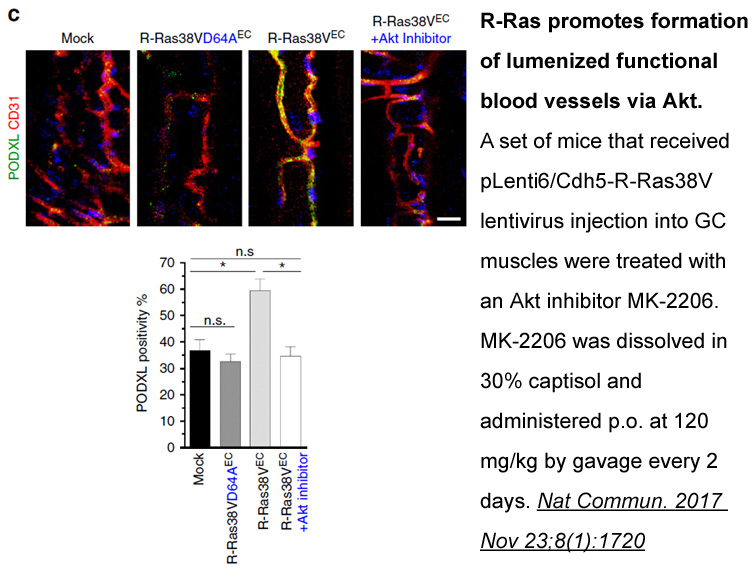
Patients with ADA-SCID may experience autoimmune AEs after SCT (and/or during ERT) that are thought to be related to immune dysregulation prior to achieving complete immune reconstitution. The more common autoimmune manifestations include hemolytic anemia, hypothyroidism, and immune thrombocytopenia
-
br Materials and methods br
2024-08-26
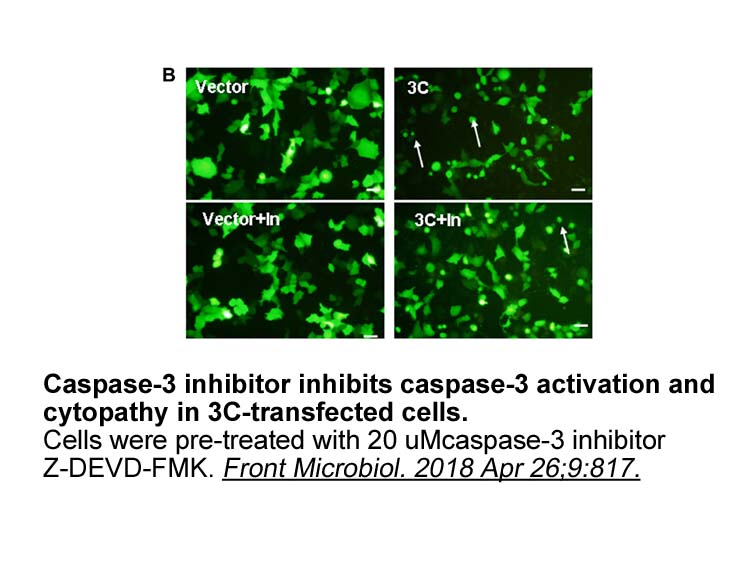
Materials and methods Functional demonstrations of ACh/GABA cotransmission The cotransmission of GABA and ACh has been best characterized in starburst amacrine cells (SACs) of the retina. SACs are a subtype of amacrine cell, a diverse set of retinal interneurons that are crucial for processing
-
Taken together BRP represents a novel
2024-08-26
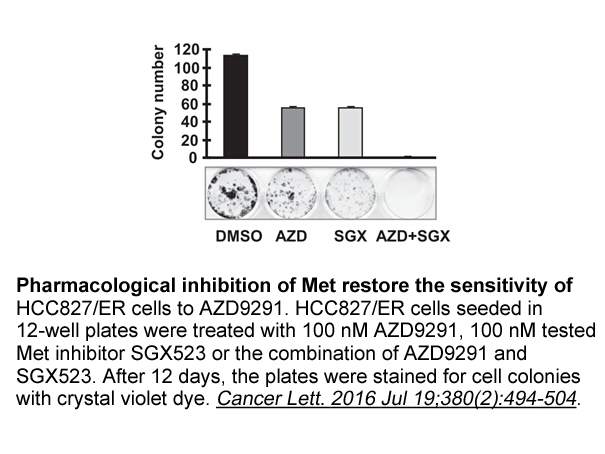
Taken together, BRP-187 represents a novel chemotype of LT biosynthesis inhibitors with outstanding potency in human PMNL and monocytes activated under pathophysiological relevant conditions and with effectiveness in vivo. Using the PLA that visualizes the in situ interaction between 5-LO and FLAP i
8209 records 134/548 page Previous Next First page 上5页 131132133134135 下5页 Last page