Archives
- 2026-07
- 2026-06
- 2026-05
- 2026-04
- 2026-03
- 2026-02
- 2026-01
- 2025-12
- 2025-11
- 2025-10
- 2025-09
- 2025-03
- 2025-02
- 2025-01
- 2024-12
- 2024-11
- 2024-10
- 2024-09
- 2024-08
- 2024-07
- 2024-06
- 2024-05
- 2024-04
- 2024-03
- 2024-02
- 2024-01
- 2023-12
- 2023-11
- 2023-10
- 2023-09
- 2023-08
- 2023-07
- 2023-06
- 2023-05
- 2023-04
- 2023-03
- 2023-02
- 2023-01
- 2022-12
- 2022-11
- 2022-10
- 2022-09
- 2022-08
- 2022-07
- 2022-06
- 2022-05
- 2022-04
- 2022-03
- 2022-02
- 2022-01
- 2021-12
- 2021-11
- 2021-10
- 2021-09
- 2021-08
- 2021-07
- 2021-06
- 2021-05
- 2021-04
- 2021-03
- 2021-02
- 2021-01
- 2020-12
- 2020-11
- 2020-10
- 2020-09
- 2020-08
- 2020-07
- 2020-06
- 2020-05
- 2020-04
- 2020-03
- 2020-02
- 2020-01
- 2019-12
- 2019-11
- 2019-10
- 2019-09
- 2019-08
- 2018-07
-
Previous work examining the link between the COMT gene
2019-12-23
Previous work examining the link between the COMT gene and ISV is limited and has produced contradicting results. The Val allele was linked with higher ISV of RTs following target trials in a continuous performance task (Stefanis et al., 2005) and with higher ISV of RT and P3b latencies of unfamilia
-
Early studies from the mollusk Aplysia
2019-12-23
Early studies from the mollusk, Aplysia, reported the presence of a unique class of 740 Y-P sale receptors in neurons, the acetylcholine-gated chloride channels (ACCs) (Kehoe and McIntosh, 1998). Later, studies identified these receptors in the model nematode Caenorhabditis elegans (Putrenko et al.,
-
Therefore the SPH algorithm in AUTODYN D
2019-12-23
Therefore, the SPH algorithm in AUTODYN-3D™ was used to simulate the experiment in Ref. [5] to verify the credibility of the numerical simulation method by results that could be measured accurately. Then the verified numerical simulation method was used to simulate BAD generated by RHA subjected to
-
The Eph ephrin signaling system has the
2019-12-23
The Eph–ephrin signaling system has the ability to elicit bidirectional signaling, classical forward signaling by both Eph receptor via its intrinsic tyrosine kinase activity and reverse signaling by the transmembrane ephrin ligand via its cytoplasmic domain [38], [39]. Thus when EphB4 binds with ep
-
The potential off target activity of against
2019-12-20
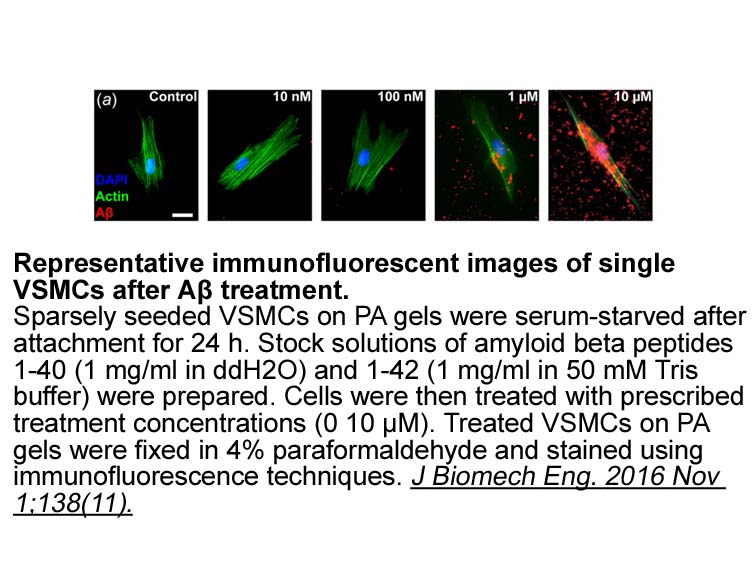
The potential off-target activity of against other ATP-dependent enzymes, such as kinases, was also investigated. Encouragingly, there was no significant inhibition of ATP binding to 97 human kinases, when was evaluated at 10μM within a DiscoveRx scanEDGE® kinome screen (, ). All together, these dat
-
Interestingly we observed that T D islet cells
2019-12-20
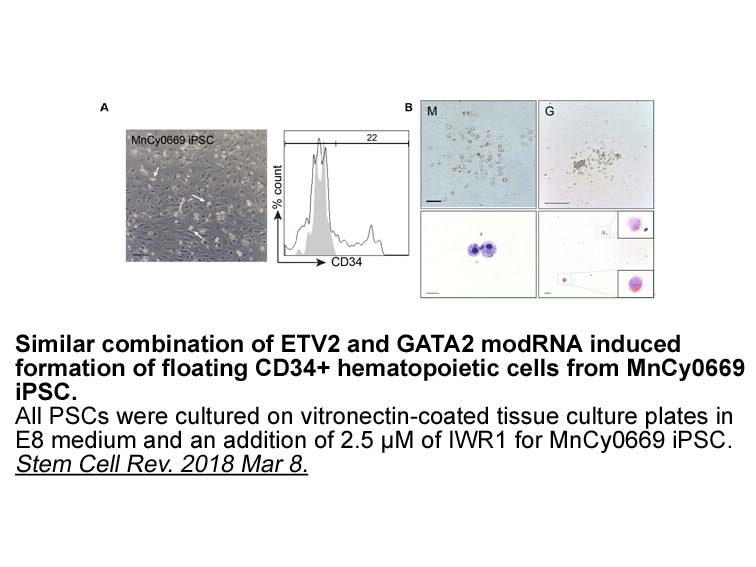
Interestingly, we observed that T2D islet Bcl Family Set I have lower DPP-4 expression, as compared to ND cells (Fig. 1, Fig. 2). Previously, a reduced activity of this peptidase was observed in human T2D islet lysates (Omar et al., 2014). As mentioned above, GLP-1 is also produced by islet cells (a
-
Typical examples of CO utilization
2019-12-20
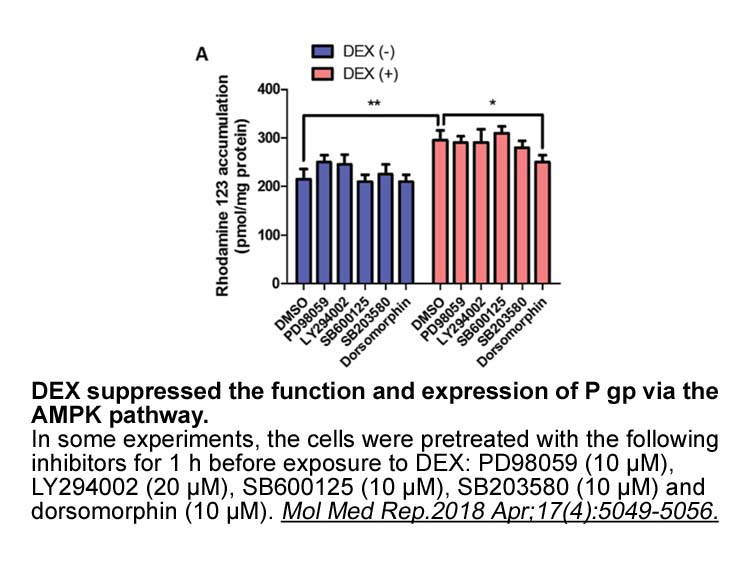
Typical examples of CO2 utilization and reduction technologies are catalytic reduction of CO2 to C1 compounds such as CO, formic acid, methanol and so on [[3], [4], [5], [6], [7], [8], [9], [10]], and catalytic organic synthesis using CO2 as a feedstock [[11], [12], [13], [14], [15], [16], [17], [18
-
GSK2636771 receptor The lungs dissected from week mice were
2019-12-20
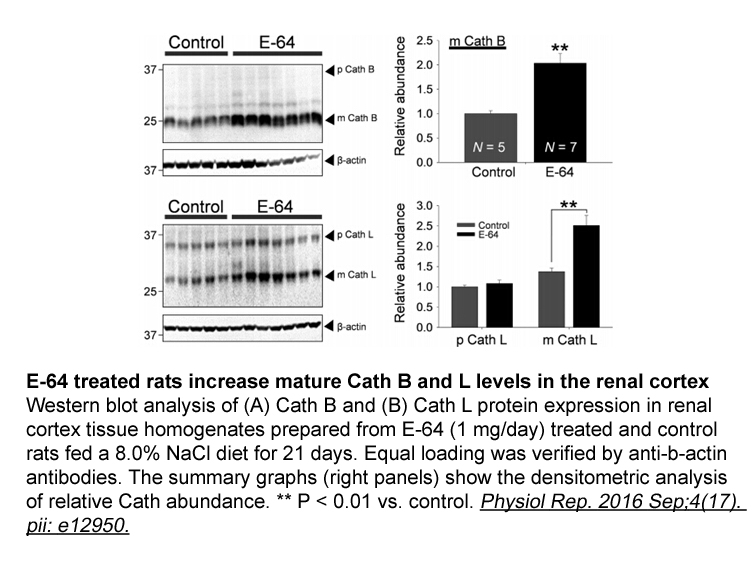
The lungs dissected from 4–5-week mice were cut into small pieces and then immersed in Dulbecco\'s modified Eagle\'s medium (Invitrogen, Carlsbad, CA) containing collagenase II (2 mg/ml), trypsin (2.5 mg/ml), Dnase I (2 mg/ml), penicillin (100 U/ml), and streptomycin (100 μg/ml) for 12 hours at 37
-
In conclusion our data demonstrated that montelukast and
2019-12-20
In conclusion, our data demonstrated that montelukast and pranlukast non-competitively blocked P2Y signaling in several cell systems, but in a relatively nonsubtype-specific manner. The functional antagonism was especially evident at heterologously expressed P2Y1 and P2Y6 receptors, at which IC50 va
-
Most data regarding fish CXCR functions have accumulated fro
2019-12-20
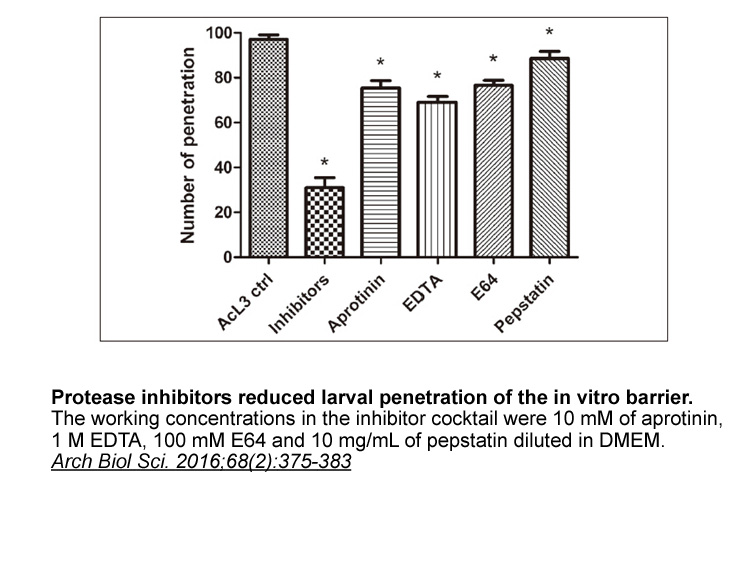
Most data regarding fish CXCR4 functions have accumulated from work in zebrafish where a range of genetic tools and imaging technologies have been developed. As mentioned above, in teleost fish the two CXCR4s (CXCR4a and 4b) are assumed to interact with two ligands (CXCL12a and 12b) and this differe
-
We next considered the mechanism of the hepatospecific decre
2019-12-19
We next considered the mechanism of the hepatospecific decrease in CYP3A exerted by EGCG. We examined the possibility that orally administered EGCG was absorbed from the intestine and directly decreased the CYP3A expression level in the liver. Although the TNF-alpha, recombinant rat protein rate of
-
Compounds were prepared via the routes shown in
2019-12-19
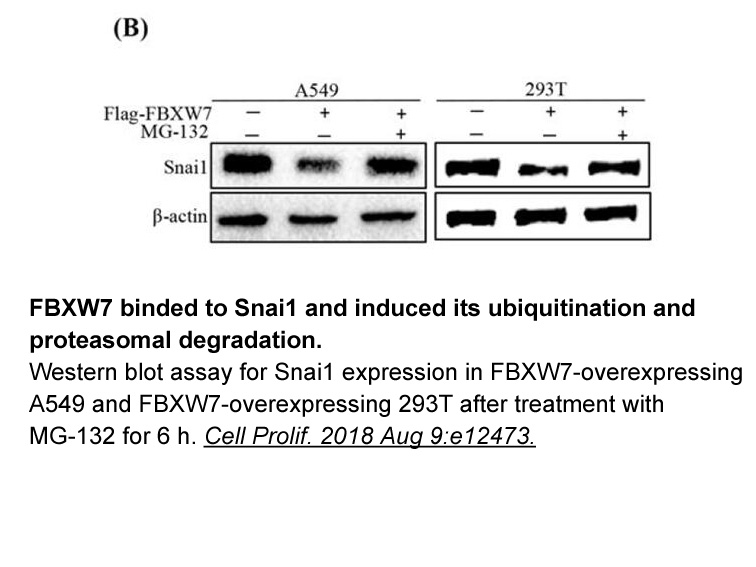
Compounds were prepared via the routes shown in , varying the sequence of reactions to install the thiazole or the phenyl ring at the end of the synthesis (pyridyl examples were prepared using similar chemistry). The aminothiazole building blocks were prepared as shown in . 5-Aminothiazole was prep
-
Within the BLA both CRF and the CRF
2019-12-19

Within the BLA, both CRF and the CRF1 receptor have been shown to functionally regulate synaptic activity. In vivo, CRF release into the BLA originates from projections from the CeA (Roozendaal, Brunson, Holloway, McGaugh, & Baram, 2002). Central administration of both CRF and CRF1 agonists has been
-
One of the therapeutic proteins used in
2019-12-19
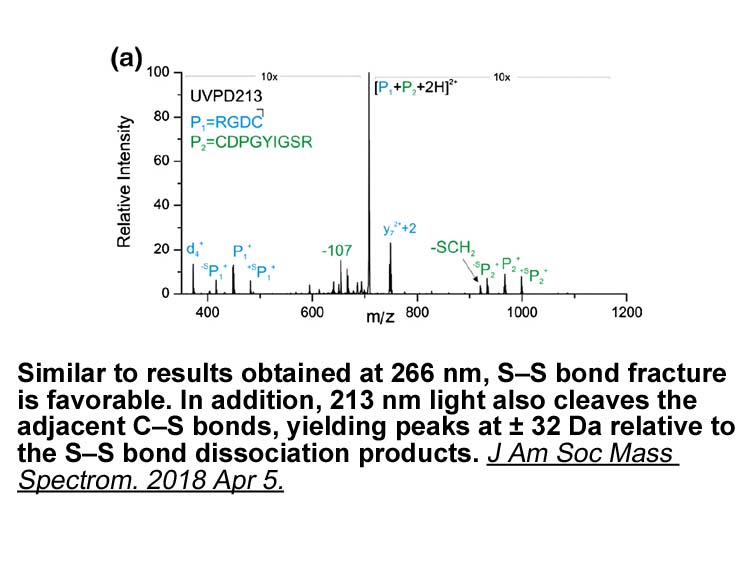
One of the therapeutic proteins used in cancer therapy is glucarpidase, also known as Carboxypeptidase G2, CPG2, which originates from the bacterium Variovorax paradoxus (old name, Pseudomonas sp. strain RS-16). It has no mammalian equivalent (Thompson et al., 1994; Kamlage, 1994) and is a zinc-depe
-
In the present study we did not examine whether the
2019-12-19
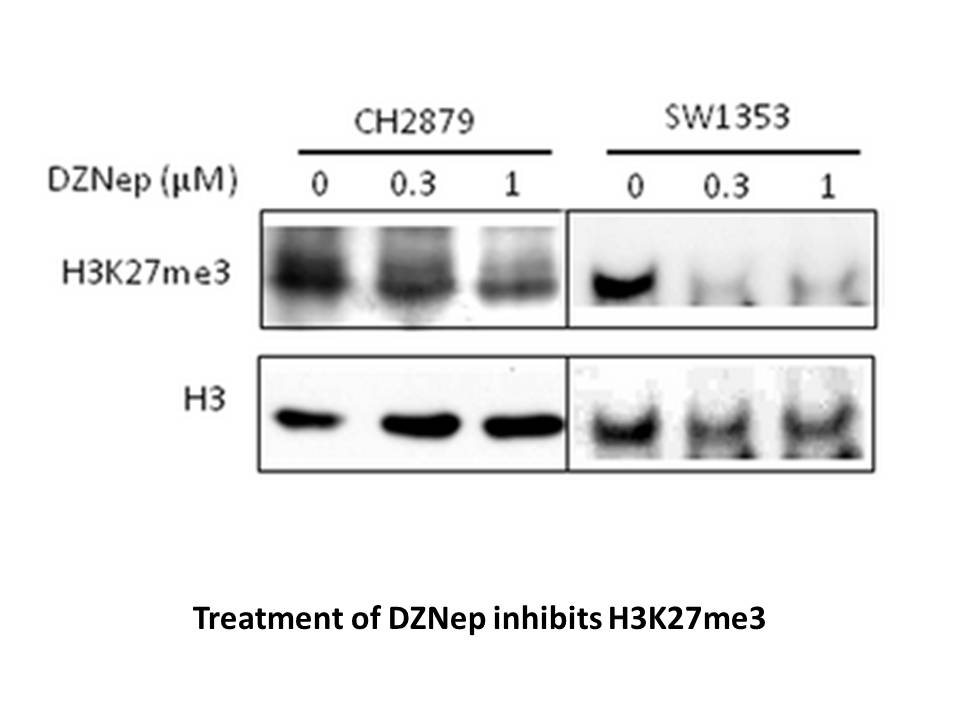
In the present study, we did not examine whether the CpG site-specific COMT methylation are associated with any genetic variants in response to E2, GEN or SFN. Some studies suggest that oxidative DNA damage causes genetic variation which may induce epigenetic changes that lead to gene silencing (Kho
15064 records 946/1005 page Previous Next First page 上5页 946947948949950 下5页 Last page